
Vitamin D Deficiency: Signs and How to Fix It
Vitamin D is unusual: it acts more like a hormone than a vitamin, and our main source is sunlight rather than food. With more time spent indoors, deficiency has become one of the most common nutritional gaps worldwide.
Signs of low vitamin D
- Frequent colds or a run-down immune system
- Bone or muscle aches and weakness
- Persistent fatigue and low mood
- Slow recovery from illness
Who's most at risk
People with limited sun exposure, darker skin, older adults, and those who cover up or live at higher latitudes are all more likely to run low. Because diet rarely provides enough, supplementation is often the most reliable route.
Restoring healthy levels
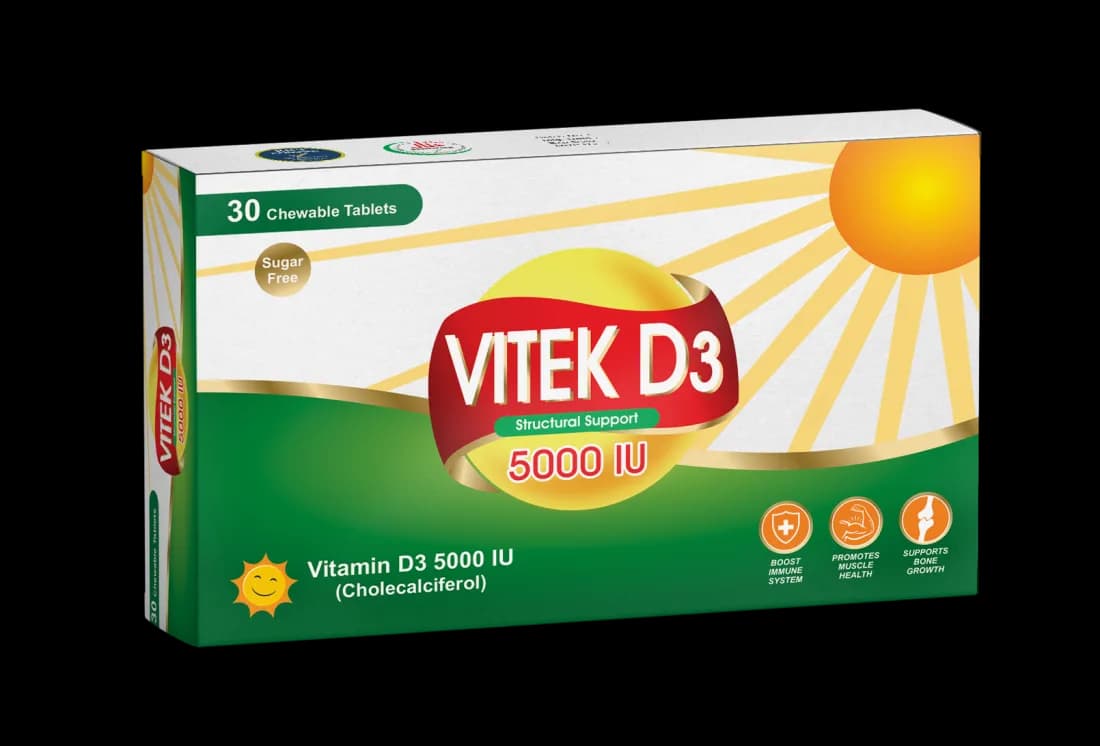
Vitamin D3 (cholecalciferol) is the form the body uses most effectively. A high-strength D3 supplement can help restore and maintain healthy levels, supporting bones, immunity, muscle function and mood. If you suspect deficiency, a simple blood test can confirm it and guide dosing.
A formula that can help
This article is for general information only and is not medical advice. Dietary supplements are not intended to diagnose, treat, cure, or prevent any disease. These statements have not been evaluated by a regulatory authority. Consult a qualified healthcare professional before starting any supplement.